Home > Ride Metro > Metro Rider’s Guide > How to Ride Metro Bus
How to Ride Metro Bus
An extensive network of over 165 bus routes serves the county. Fare can be paid using cash (exact change) or a TAP card. Regular fare is $1.75 and is good for 2 hrs of unlimited transfers in one direction.
Overview
Metro’s fleet offers different types of services:
- Local buses stop around every two blocks and are painted orange
- Rapid buses are faster buses with fewer stops only at major intersections and are painted red
- Express buses travel on routes on freeways for longer distances with fewer stops and has a higher premium.
- G Line and J Line Lines are bus rapid transit lines (BRT) that run on dedicated busways and require payment by TAP card.
How to Ride Metro Bus
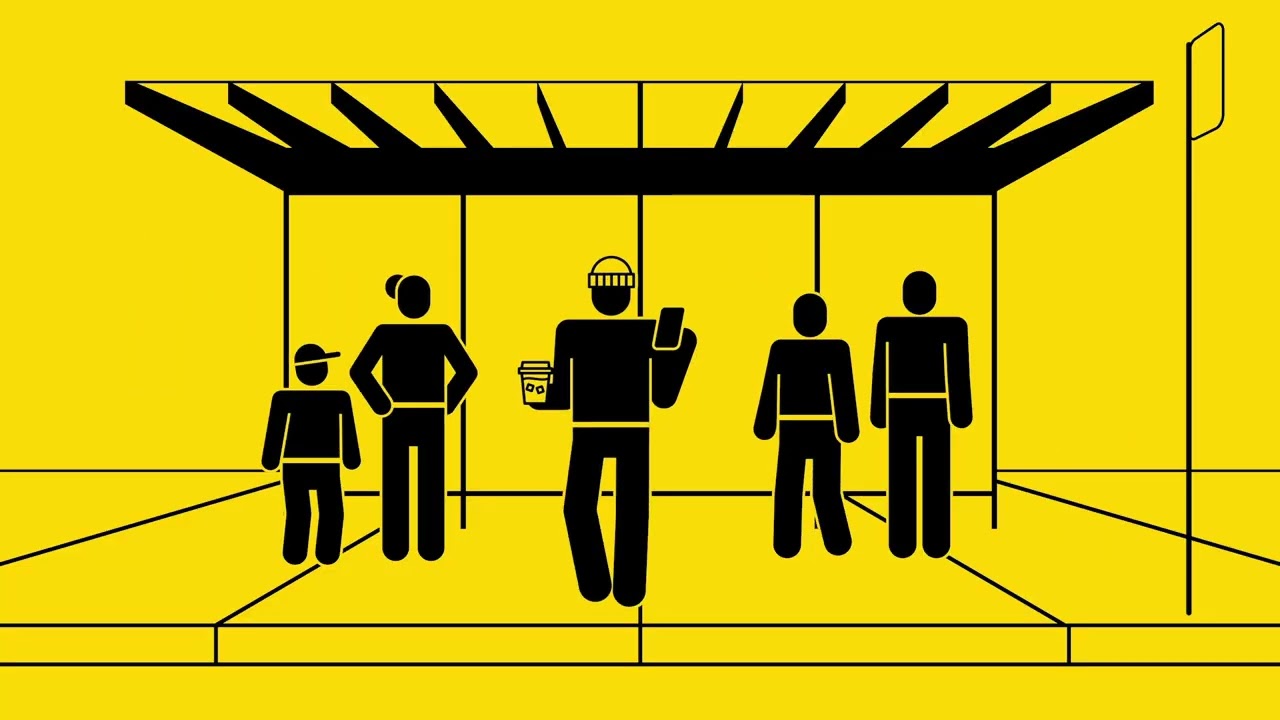
Be ready at the stop
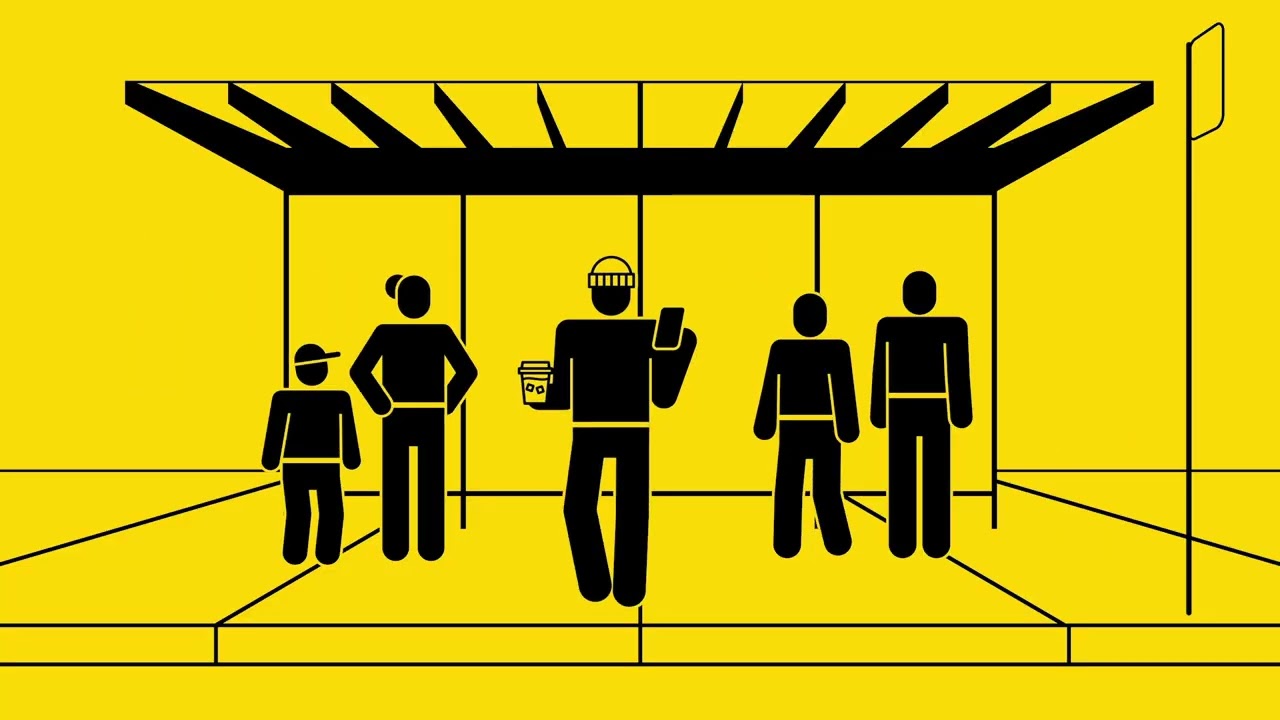
- Check bus arrival times and arrive early.
- Have your fare ready.
Be seen at the stop
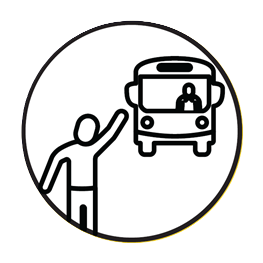
- Stay where the bus operator can see you.
- Make eye contact and wave.
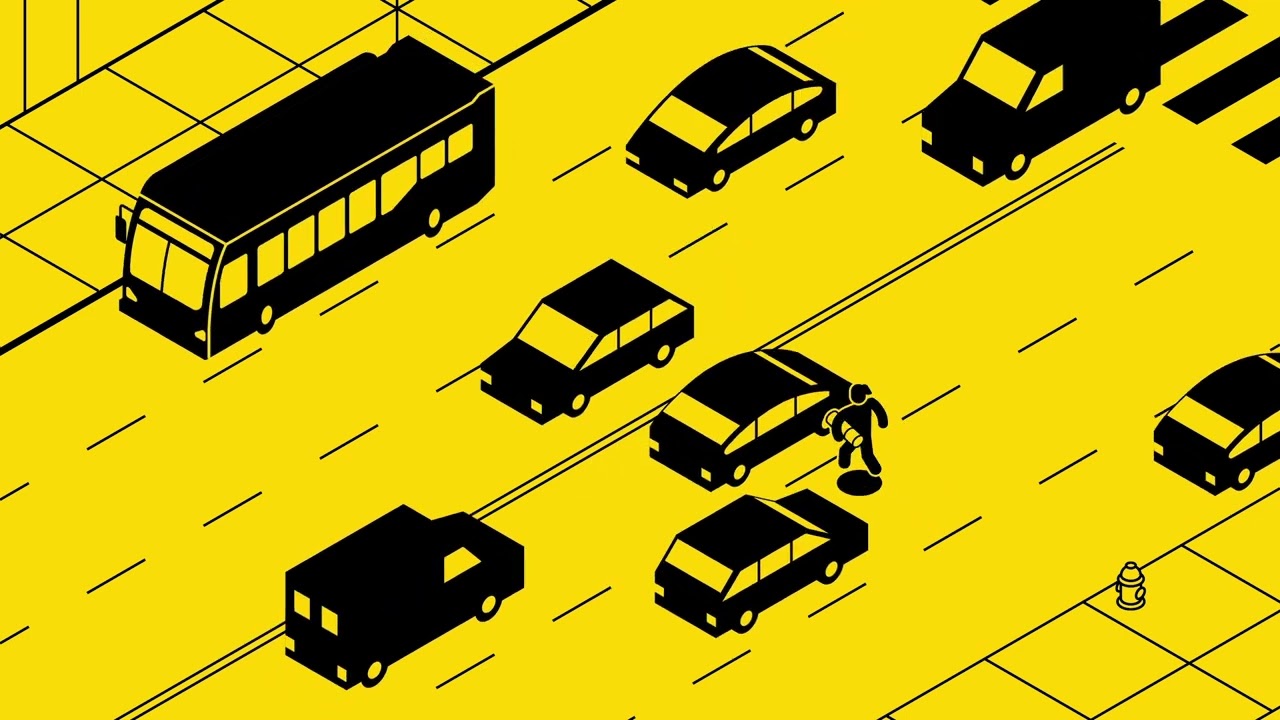
Be safe at the stop
- Before boarding, wait for the bus to make a complete stop.
- When exiting, step away from the bus as it pulls away.
- Never run after or alongside a moving bus.
More Riding & Safety Tips
- Check the head sign above the windshield for route number and destination to ensure it’s your bus.
- Watch and listen for your stop and be ready to exit.
- About one block before your destination, press the STOP button or pull the yellow cord.
- Exit through the rear door and make sure you have all your belongings.
- Let riders in wheelchairs or with disabilities board and or exit first.
- Everything you need to know about bringing luggage and strollers on Metro.
- If riding with a bike, make sure you let the operator know you will be taking your bike from the front rack.
In case of an earthquake:
- Stay onboard the bus unless the bus operator gives other instructions.
- After the shaking stops, the operator will stop the bus at a safe area.
- If it’s necessary to evacuate the bus, the operator will direct you to a safe area.
- Metro will send instructions to the bus operator, and allow the bus to proceed when it’s safe.
- Learn more in Metro’s guide for riders, “What to Do in an Earthquake.”
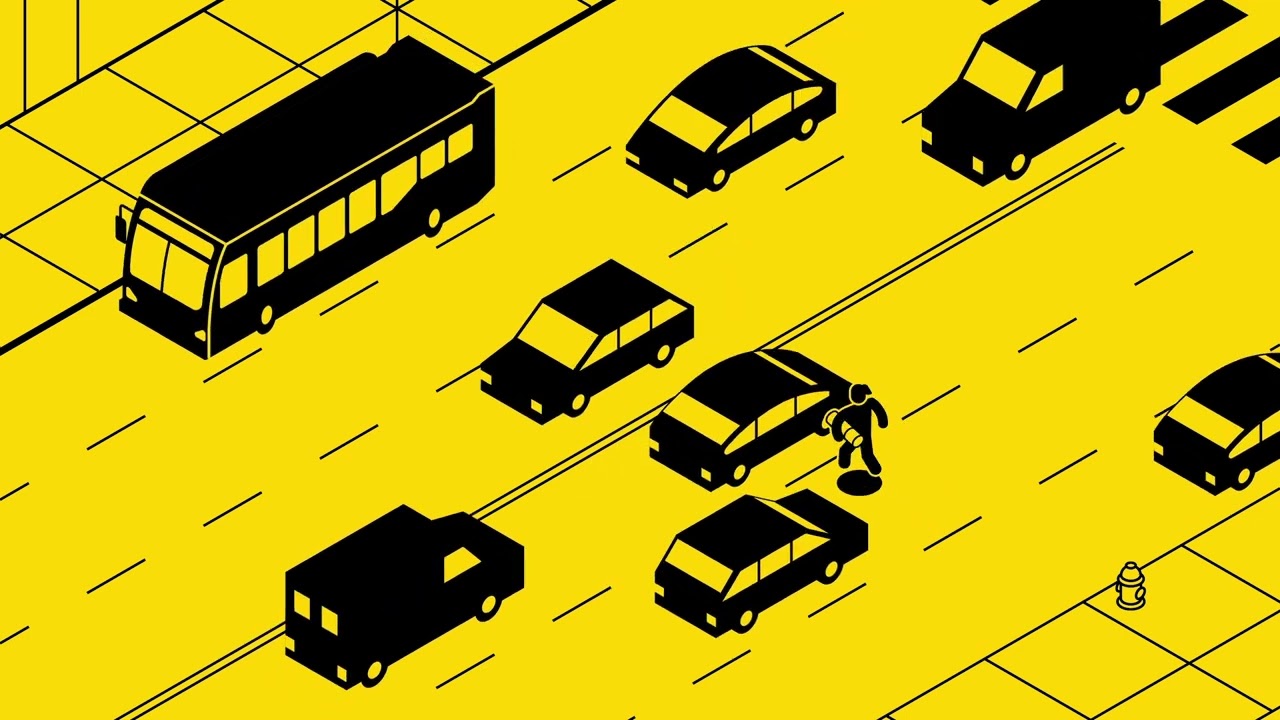
Take a trip to “Safetyville” to explore common safety related issues riding in and around the bus. The video series reminds you that “Safety Begins with You”.
Scroll Spy here