- Home
- Ride Metro
- How to Ride Metro Bus
How to Ride Metro Bus
An extensive network of over 165 Metro bus routes serves LA County.
Overview
Metro’s fleet offers different types of services:
- Local buses stop around every two blocks and are painted orange.
- Rapid buses are faster buses with fewer stops only at major intersections and are painted red.
- Express buses travel on routes on freeways for longer distances with fewer stops and has a higher premium.
- Bus rapid transit (BRT) lines, including the G Line and J Line, run on dedicated busways.
Waiting for the Bus
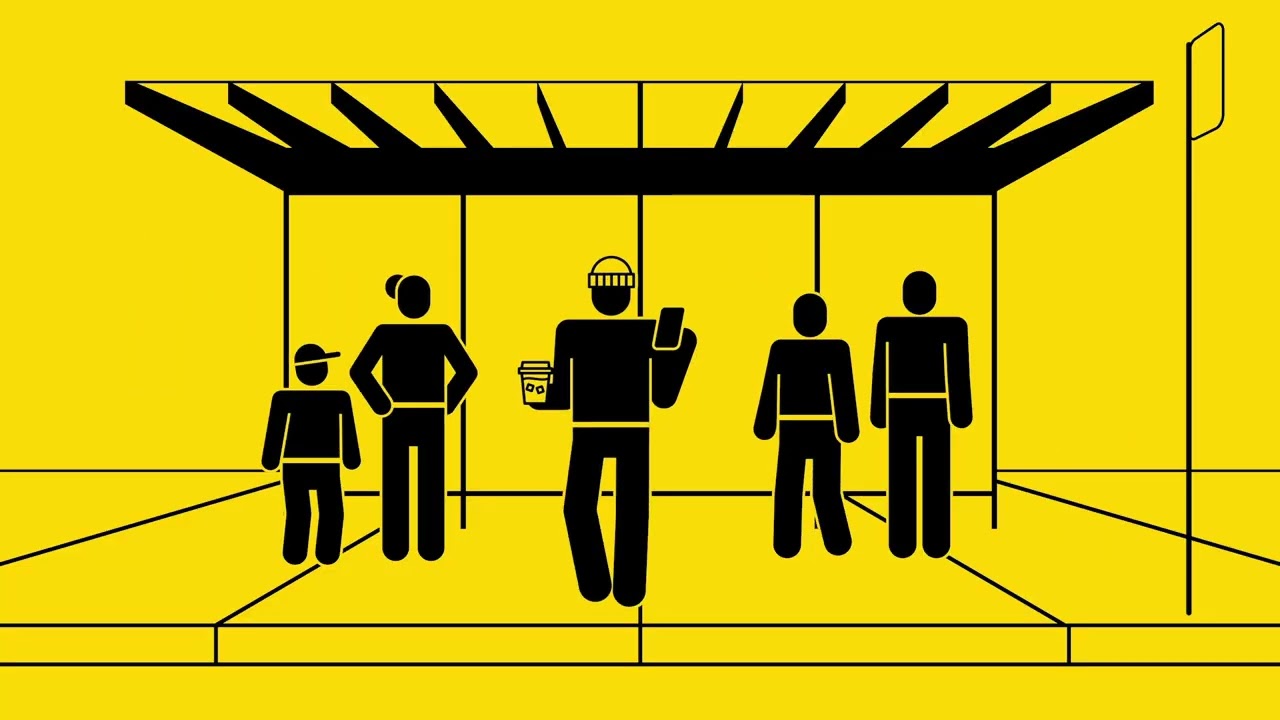
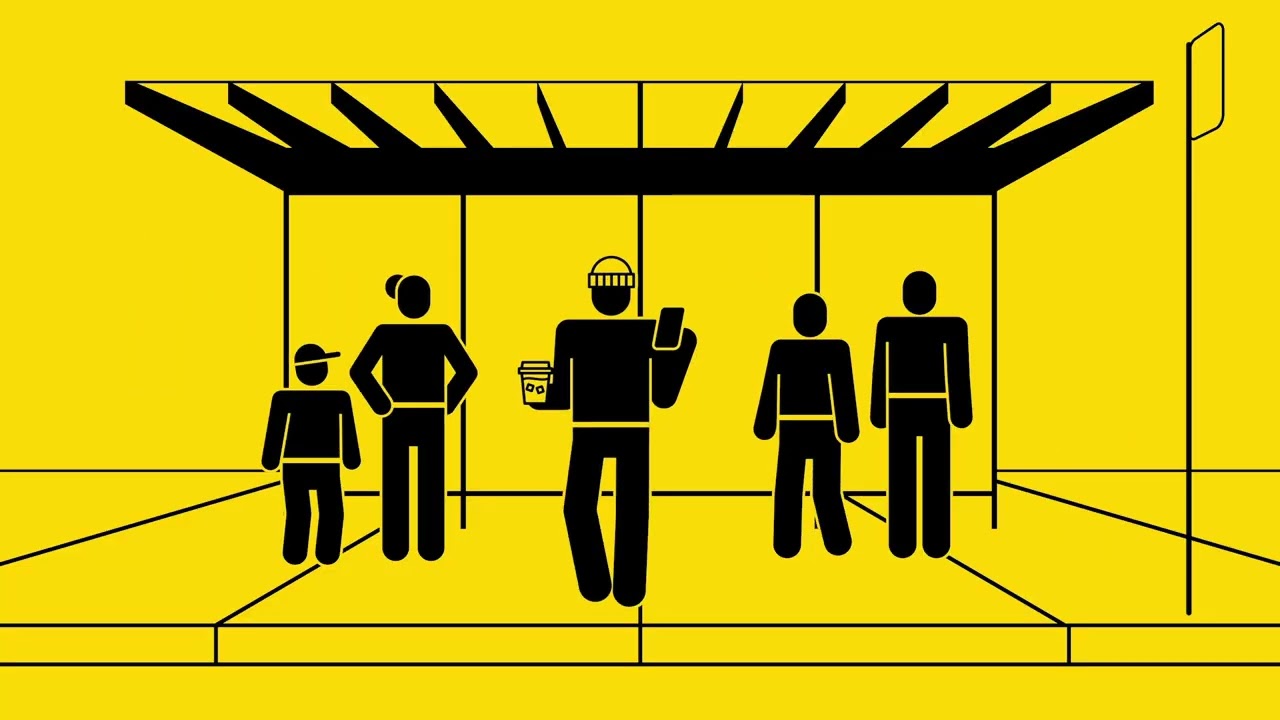
- Check bus arrival times and arrive early.
- Have your fare ready.
- Stay where the bus operator can see you.
- Make eye contact and wave.
- Before boarding, wait for the bus to make a complete stop.
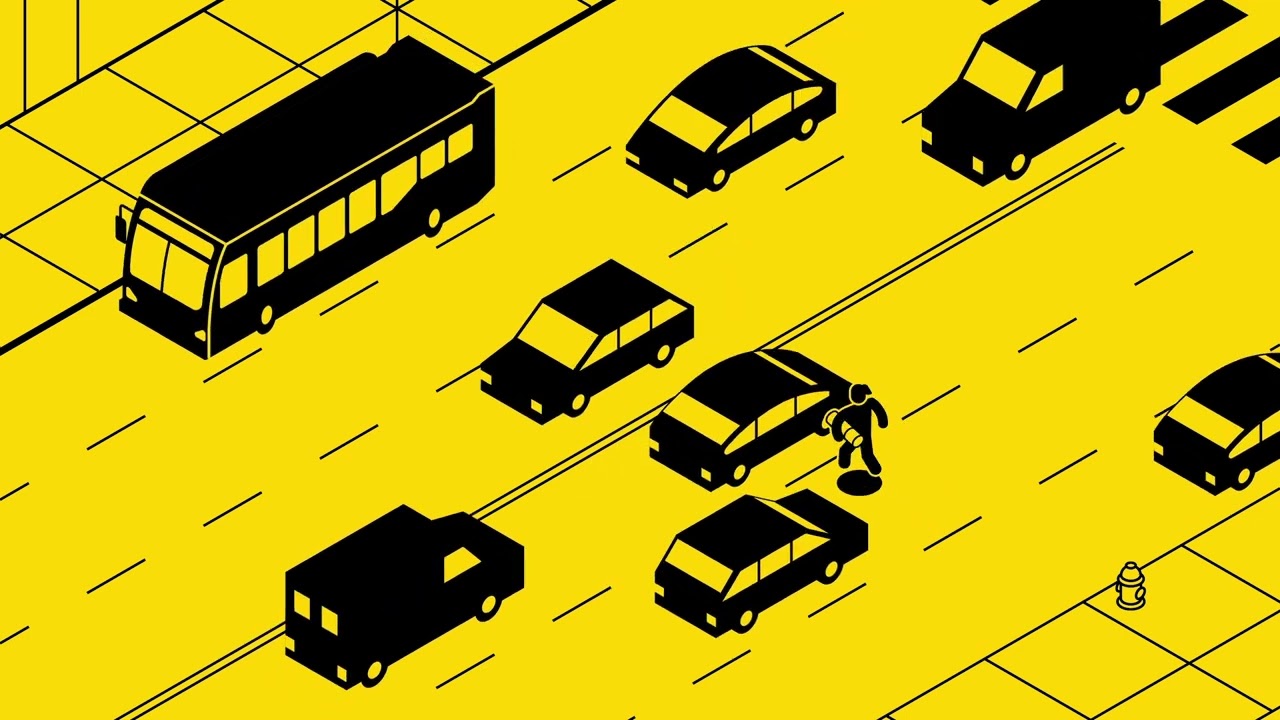
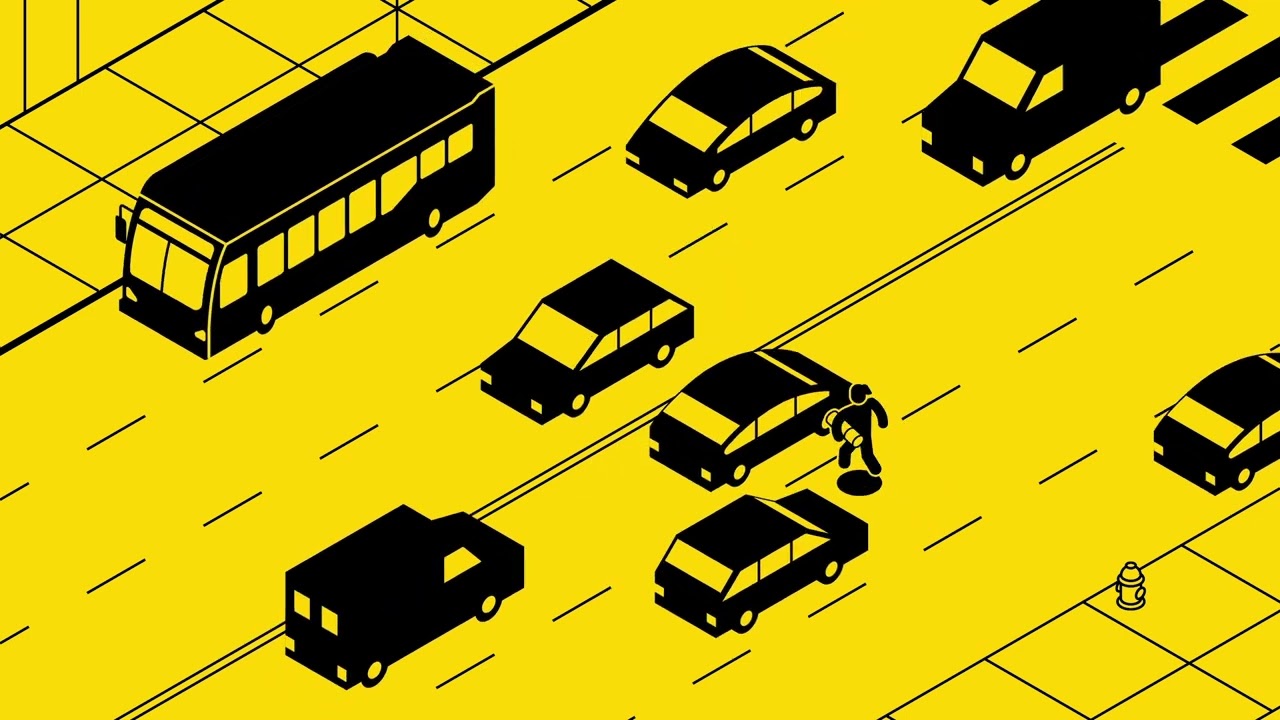
- Never run after or alongside a moving bus.
On the Bus
- Check the head sign above the windshield for route number and destination to ensure it’s your bus.
- Pay with a TAP, credit or debit card — physical or digital. Learn more about how to pay.
- Watch and listen for your stop and be ready to exit.
- Press the STOP button or pull the yellow cord about one block before your destination.
Exiting the Bus
- Exit through the rear door and make sure you have all your belongings.
- Let riders in wheelchairs or with disabilities board and/or exit first.
- If riding with a bike, make sure you let the operator know you will be taking your bike from the front rack.
What is Allowed Onboard
Strollers: may be kept in the wheelchair securement area when available. Riders with wheelchairs will be given priority.
- Mobility Devices: see Metro’s Accessibility Guide for more information.
- Bikes: can be loaded onto Metro bus bike racks. Tandem, 3-wheeled or fuel powered bikes are not allowed.
Pets and emotional support, therapy, comfort, and companion animals: need to secured in enclosed carriers and cannot block the aisle or a doorway, or interfere with the comfort or convenience of other riders.
- Luggage: should be kept away from doors, aisles, and disability seating so other riders can board, exit, or move freely.
What is Not Allowed Onboard
- Food and drink
- Smoking of any kind
- Weapons, flammable materials and dangerous objects are prohibited on Metro.
In Case of an Earthquake
Stay onboard the bus unless the bus operator gives other instructions. Metro will send instructions to the bus operator, and allow the bus to proceed when it’s safe. Learn more in Metro’s Earthquake guide for riders.