Vehicle Miles Traveled Mitigation Program

A regionwide strategy to cut car travel and reinvest in walking, biking, transit and affordable housing

Project Type
Program
Current Phase
Planning

Metro’s Vehicle Miles Traveled (VMT) Mitigation Program is a planning effort to help reduce car travel from future highway projects in Los Angeles County. In line with state environmental laws (SB 743 and CEQA), the program evaluates how highway improvements may increase driving and develops strategies to offset those impacts.

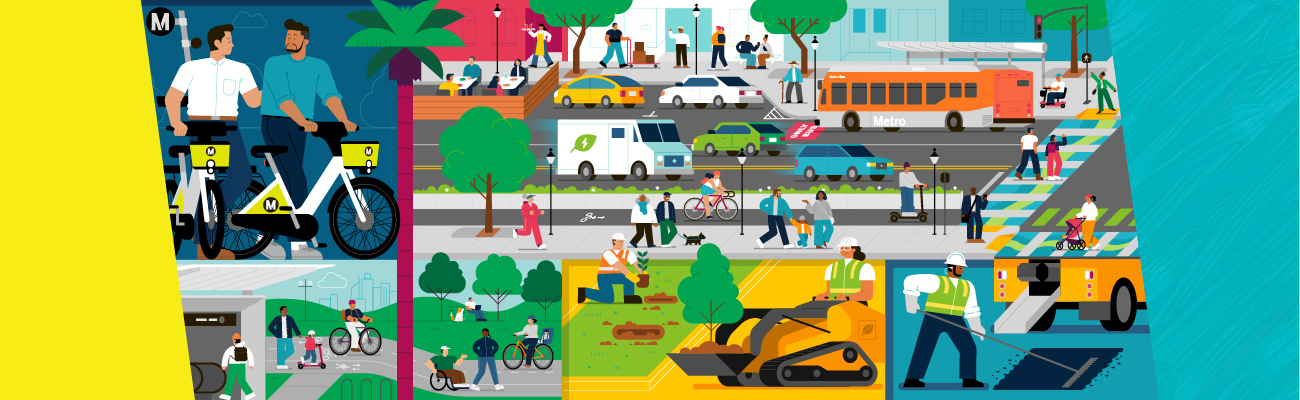
To do this, Metro is creating a toolkit of investments—like expanded transit, bike infrastructure, and affordable housing near rail—to reduce the need to drive. These strategies will support cleaner air, healthier communities, and more transportation choices, particularly in Equity Focus Communities.

As part of this effort, Metro is piloting a VMT Mitigation Bank. This allows project sponsors to purchase “mitigation credits,” which Metro then reinvests in pre-approved projects that help reduce vehicle trips across the region.

Understand the Program

Learn how Metro is developing a framework to address the environmental impacts of driving.

Documents

Folder
Name
Type
Name of the document if it’s long
Description of folder if the description is too long then it will
1.25GB
Download

Frequently Asked Questions

What are Vehicle Miles Traveled (VMT)?

VMT refers to the number of miles driven by a vehicle. For example, one car traveling one mile equals one VMT; four cars traveling 10 miles each equals 40 VMT. Planners use VMT to measure the environmental impacts of transportation and land use decisions.

What is mitigation?

Mitigation means reducing harmful effects. In the case of VMT, mitigation refers to strategies that offset the impacts of driving—like greenhouse gas emissions—by making it easier to walk, bike, or use transit.

Why is Metro concerned with mitigating VMT?

Transportation is the largest source of greenhouse gas emissions in California. While the state is working toward vehicle electrification, Metro is committed to further reducing emissions by investing in options that reduce car travel.

How will the VMT Mitigation Program benefit my community?

The program aims to reduce the negative effects of driving—like air pollution and traffic—by investing in safer, more convenient alternatives. It also prioritizes areas with limited transportation options and high travel costs, helping to improve access and reduce inequality.

What kinds of VMT-reducing actions will Metro consider?
Metro is evaluating a wide range of actions, including:
  • Operational improvements like more frequent and faster bus service
  • Programs such as free or discounted transit passes, employer incentives, and carpooling support
  • Capital improvements like new bus lanes, bike infrastructure, and safer sidewalks.
How and when will VMT-reducing actions receive funding?
Each highway project that increases VMT will be required to invest in mitigation actions. Metro is exploring three ways to do this:
  • A VMT Bank, where project sponsors purchase credits that fund pre-approved mitigation projects
  • A VMT Exchange, where sponsors choose and fund specific mitigation actions
  • A VMT Reduction Plan, which coordinates mitigation across Metro’s entire program
Investments will be timed alongside the highway projects they support.
What is the California Environmental Quality Act (CEQA)?

CEQA is a California law that requires agencies to study and disclose the environmental impacts of major projects before they move forward. For transportation, CEQA now prioritizes VMT as the key metric for evaluating environmental impact.

Get Involved

Help shape this program for good. We want to hear from you:

Got questions or ideas? Our team is here to listen.

Got questions or ideas? Our team is here to listen.

By connecting with us, you bring valuable insights to the table.

Scroll to Top

Free rides on Metro bus, rail, bike share & Micro from 4am Dec 31 to 3am Jan 1. Use code 123125 for Bike Share & RING26 for Micro.