Rider Guide
Traveling on LA Metro’s buses and rails can be a smooth experience when you know what to expect and how to stay safe.
Here are some tips and guidelines from a rider’s perspective—covering everything from waiting for your ride to reporting concerns.
Rider Safety Best Practices
- Plan Your Trip
Use the Metro Trip Planner or a transit app to check schedules in advance. - Get the Transit Watch App Now
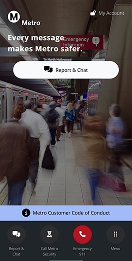
Be prepared to report a concern by downloading the Transit Watch app in advance.
- Arrive Early
Give yourself enough time to board safely. - Stay Alert
Keep an eye on your surroundings and trust your instincts if a situation feels off. - Report Concerns
If you see something, say something. Not sure what or how to report? Here’s a guide.
Safety Tips
For all Riders
- Wait for the bus or train to come to a complete stop before approaching to board.
- Never run after or next to a moving bus or train.
- Always use handrails or handholds, and take a seat promptly as the bus or train may start or stop suddenly.
- Choose safe spots. Stand or sit in well-lit areas near other riders.
- Stay alert. If you need to use your phone, look up from your screen often, and keep one earbud out so you can hear what’s going on around you.
- If you ever see someone acting in a way that makes you uncomfortable, move away.
Seniors and Youth
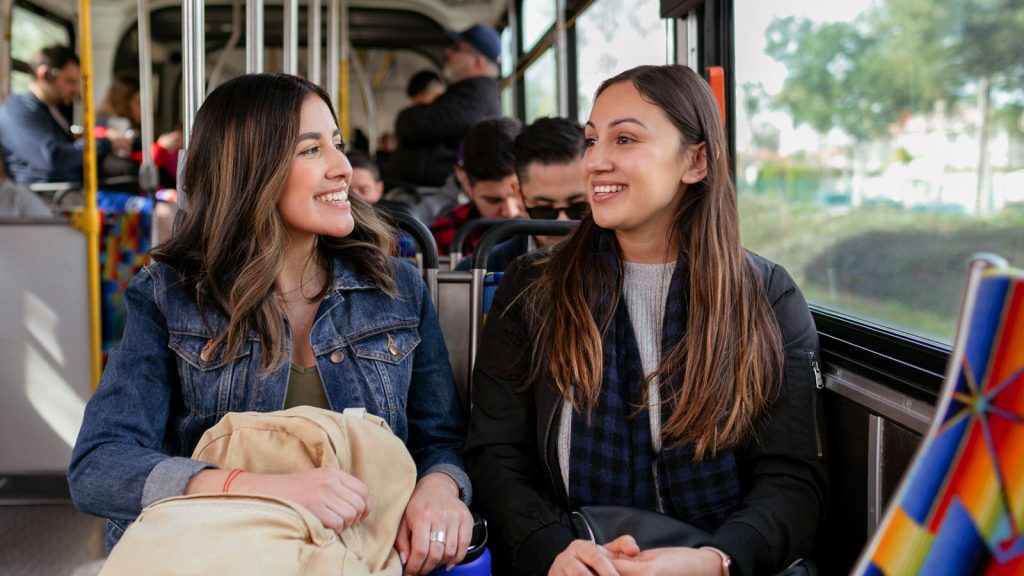
- Ride with a friend whenever possible. Safety is in numbers when you stay together on the bus or train.
- Stay aware of yourself and your belongings and be sure to take everything with you as you exit.
- Seniors, find seats at the front of buses or near train doors, which are prioritized for seniors and persons with disabilities.
Traveling with Young Kids
- Keep your children away from playing near buses, trains, or tracks: pushing and shoving can cause accidents.
- Hold onto your child when a train or bus approaches.
- Never let your children run after or next to a moving bus or train.
- Hold onto your children upon boarding and exiting trains and buses.
Transit Etiquette
- Board and Exit Politely
Let passengers exit before you enter, and avoid blocking doors or aisles. - Mind Noise Levels
Use headphones for music or videos, and speak at a moderate volume on phone calls. - Keep Aisles and Seats Clear
Store personal items so others have space to sit and stand comfortably. - Offer Your Seat
to those who need it more, such as seniors or persons with disabilities. - Mind Fellow Riders When Bringing a Bike on Board
Bikes can be brought onto buses and trains if space is available. All Metro trains have a designated area for bicycles. Look for the doors marked with the yellow sign. - Follow the Code of Conduct
Adhere to posted guidelines—no smoking, no drugs or alcohol, and be respectful of fellow riders.
Personal Property Protection Tips
Secure Your Belongings
Keep purses, backpacks, and bags zipped and close to you. Avoid displaying valuables, such as cash or electronics, in plain view.Stay Organized
Have your TAP card or fare ready before boarding to reduce time rummaging through your wallet or bag.Remain Aware
Even while on your phone, using noise-cancelling headphones or reading, remain aware of what’s happening around you so you can respond if something seems off.
FAQs for Safety Hub
- Use the Transit Watch App
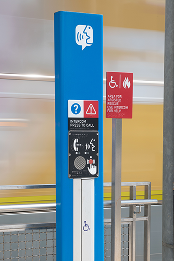
- Use the station call boxes at platforms or emergency buttons in rail cars
- Text 213.788.2777 Call 1.800.METRO.SAFE
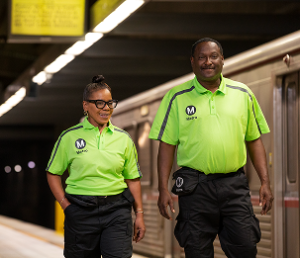
- Ask a Metro Employee or Ambassador
More on what do report and how to do it.


Harassment violates Metro’s Code of Conduct and should be reported. If someone harasses you or others on Metro, first try to move to a safer area, such as near the train or bus operator or a well-lit populated section. In an emergency, call 911 or use emergency intercoms available on trains and platforms. In a non-emergency, report the incident to Metro police or staff, or directly to law enforcement, Metro TSOs or other staff members.
Nothing we are working on is more important than addressing public safety on our Metro system. Over the last two years, Metro has invested hundreds of millions to deploy a new safety and security strategy on the system, focused on engaged visible presence of uniformed personnel, enhanced access control, and stepped-up outreach to people in need on our system. Metro is also leveraging technology, like 4K cameras that are monitored 24/7, to be attentive, proactive, and responsive to public safety needs. In addition, all trains are equipped with buttons that allow you to call the operator, and similarly, the stations also have emergency calls buttons. Riders also play a role in their safety by staying alert, waiting in well-lit areas near other passengers, keeping belongings secure, and reporting any suspicious behavior to Metro staff or police.
Over the last two years, Metro has invested hundreds of millions to deploy a new safety and security strategy on the system, focused on engaged visible presence of uniformed personnel, enhanced access control, and stepped-up outreach to people in need on our system. As part of Metro’s ongoing efforts to improve safety, we’ worked to improve lighting and upgrade cameras at stations to enhance monitoring and visibility. Additional steps you can take to travel safely at night, include staying in well-lit areas, being aware of your surroundings, riding in the front car near the operator or sitting near the bus driver, and reporting any concerns to Metro staff or police.
Download the Transit Watch App to report safety concerns anonymously, share details with Metro security, and receive important alerts in real time. It’s best to have it installed on your phone before you need it.