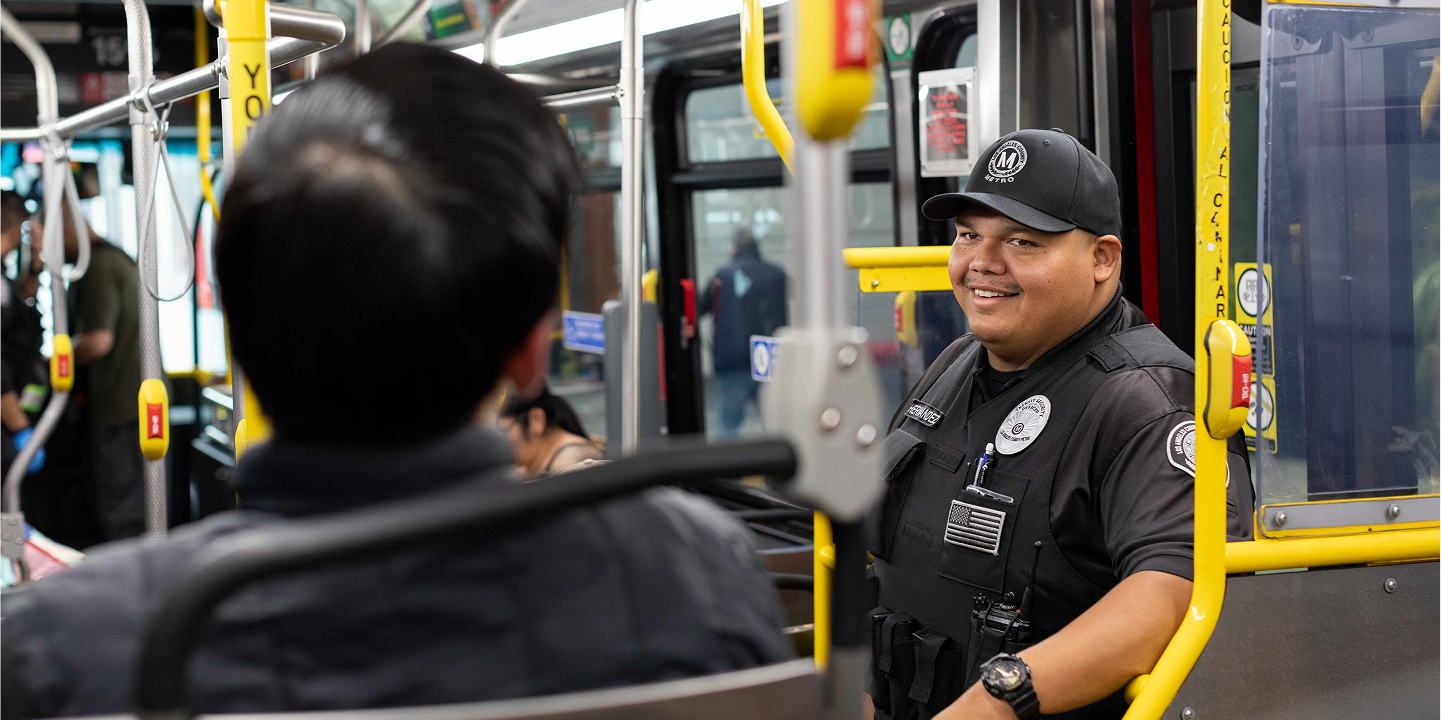
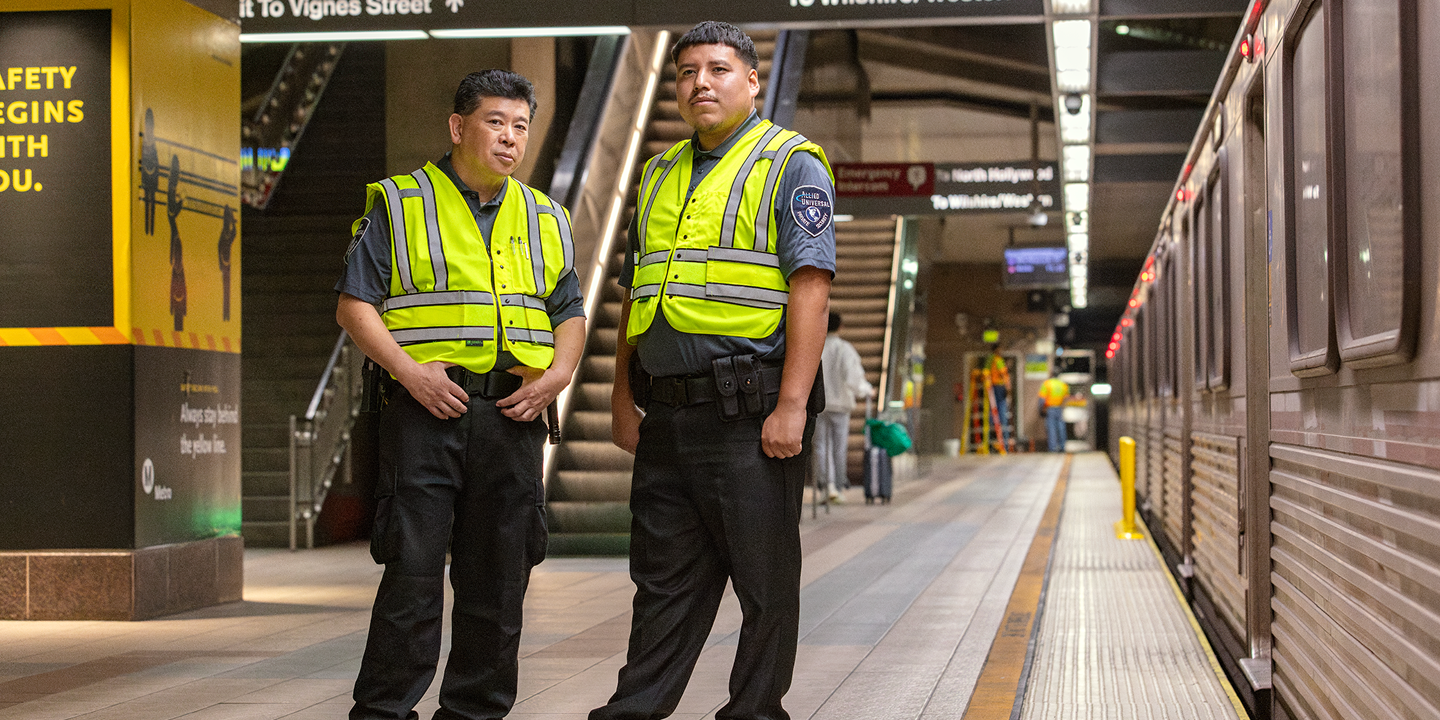
We are committed to maintaining a uniformed security presence on our system. They are there to deter crime and respond quickly to incidents, to preserve the safety of all those on our system.
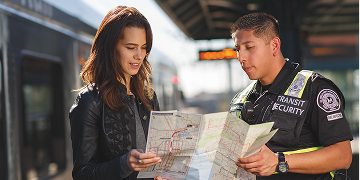
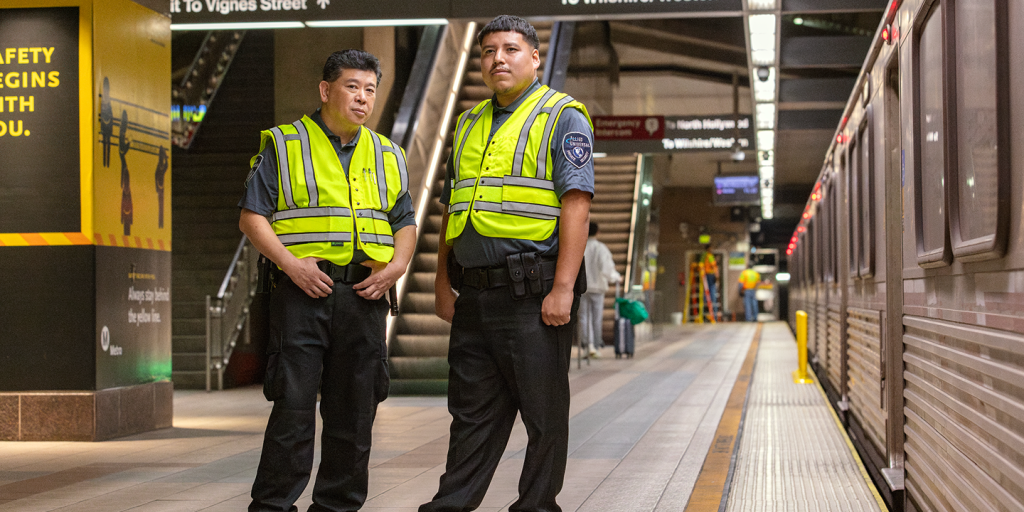
Transit Security Officers are trained Metro employees who understand the unique needs of our system and our riders. These officers enforce the code of conduct and fare payment across the transit system, ensuring compliance and maintaining order.
Metro Transit Security Officers focus on:
Patrolling the system regularly.
De-escalating situations and maintain order and lawfulness on the system.
Enforcing the Metro code of conduct and issuing citations.
Communicating incidents directly with Metro Operations Centers, law enforcement partners, and emergency service providers.
Fare checks and enforcement.
Law Enforcement Partners
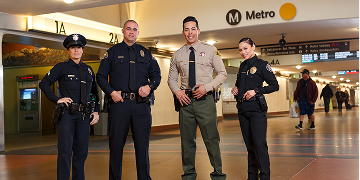
Metro currently contracts city and county law enforcement partners to patrol buses, trains and stations regularly. Their visible presence on the system serves as a deterrent to crime and provides a quick response to incidents as they arise.
Law Enforcement Partners focus on:
Patrolling the system regularly.
De-escalating situations and maintain order and lawfulness on the system.
Enforcing the Metro code of conduct, issuing citations, and making arrests.
Communicating with Metro Operations Centers and additional emergency service providers.
Fare checks and enforcement.
Metro Ambassadors
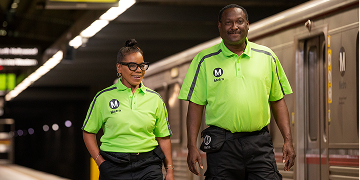
Serving as additional support for riders, Metro Ambassadors assist passengers with various needs and report any issues they observe, contributing to a safer and more pleasant transit experience.
Metro Ambassadors:
Help passengers get where they need to go, providing directions and route information.
Are trained to provide life-saving medical support in emergencies.
Use the Metro-issued phone or tablet device to document issues and call Metro Security or 911 additional support in an emergency — this is why you may see them on a device.
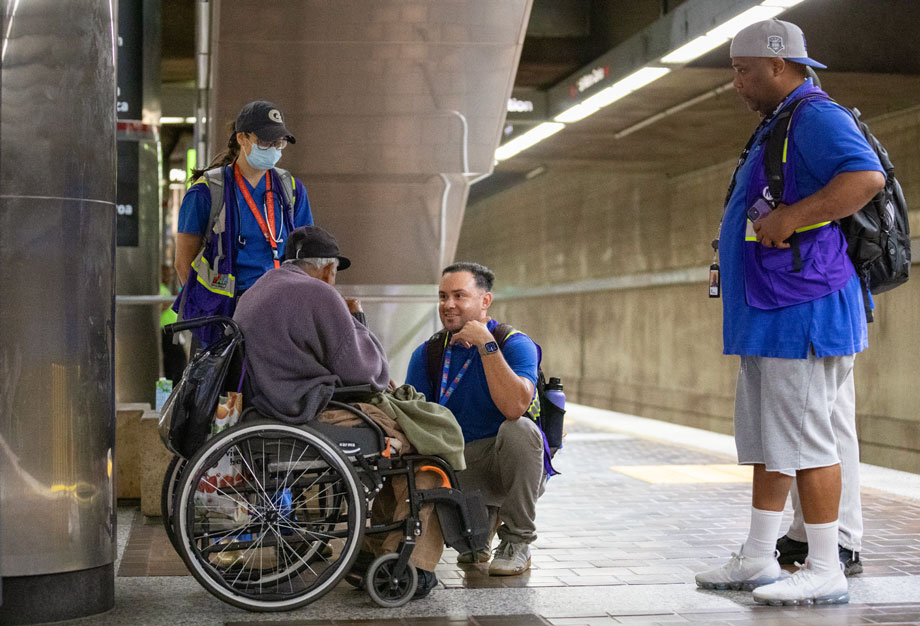
Mental Health and Homelessness Outreach Partners
The crisis of homelessness, untreated mental illness and drug addiction are larger societal issues that impact the safety of our riders. Metro has created care-based outreach teams who patrol buses, trains and stations to engage with individuals experiencing these issues, connect them to services, and help place them in housing as needed.
We use a care-based approach:
Place people in interim or permanent housing.
Secure shelter beds to place people sheltering on our system late at night and at the end-of-service into a safe and supportive environment, rather than on our system.
Joint Development projects to build affordable housing.
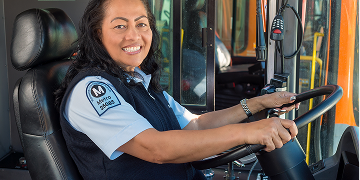
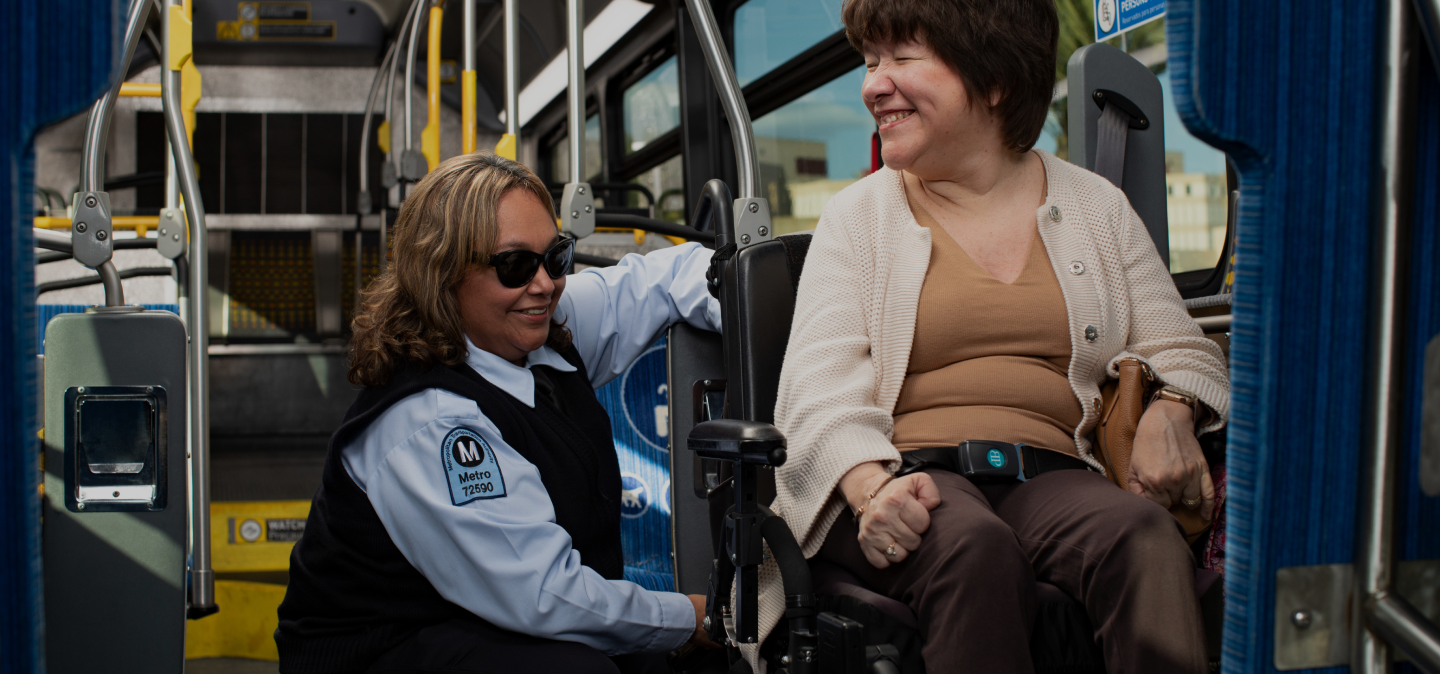
Bus and rail operators at Metro play a critical role in maintaining the smooth functioning of public transportation across Los Angeles County. Along with operating Metro buses and trains, they provide customer service, and monitor and report any mechanical issues or incidents that occur during their shift.
Bus and Rail operators:
Detect and react to fire, medical and other emergencies.
Ensure safe boarding and exiting by monitoring doors and station platforms.
Communicate with Metro’s Bus Operations Control Center to report issues and emergencies.
Are trained in evacuation procedures to guide passengers to safety in case of breakdowns, fires, or other emergencies.
Coordinate with transit police and law enforcement to address security concerns, such as trespassing or suspicious activity.
Contracted Security
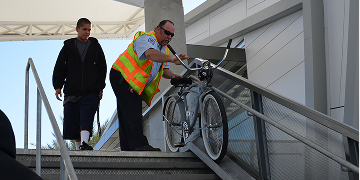
Metro also contracts with private security firms. These security professionals help Metro maintain an engaged visible presence throughout its system and report any cleanliness or safety issues on the Transit Watch app.
In addition, these officers offload trains at end-of-line rail station to deter people from riding the system without valid fare while allowing train cleaning to promote a clean and safe environment. As part of these efforts, they distribute “Metro Cares” cards that provide information on resources for people experiencing homelessness.
Contract Security officers also team up with Metro Transit Security Officers (TSOs) to educate riders about the Code of Conduct.
Custodial Staff
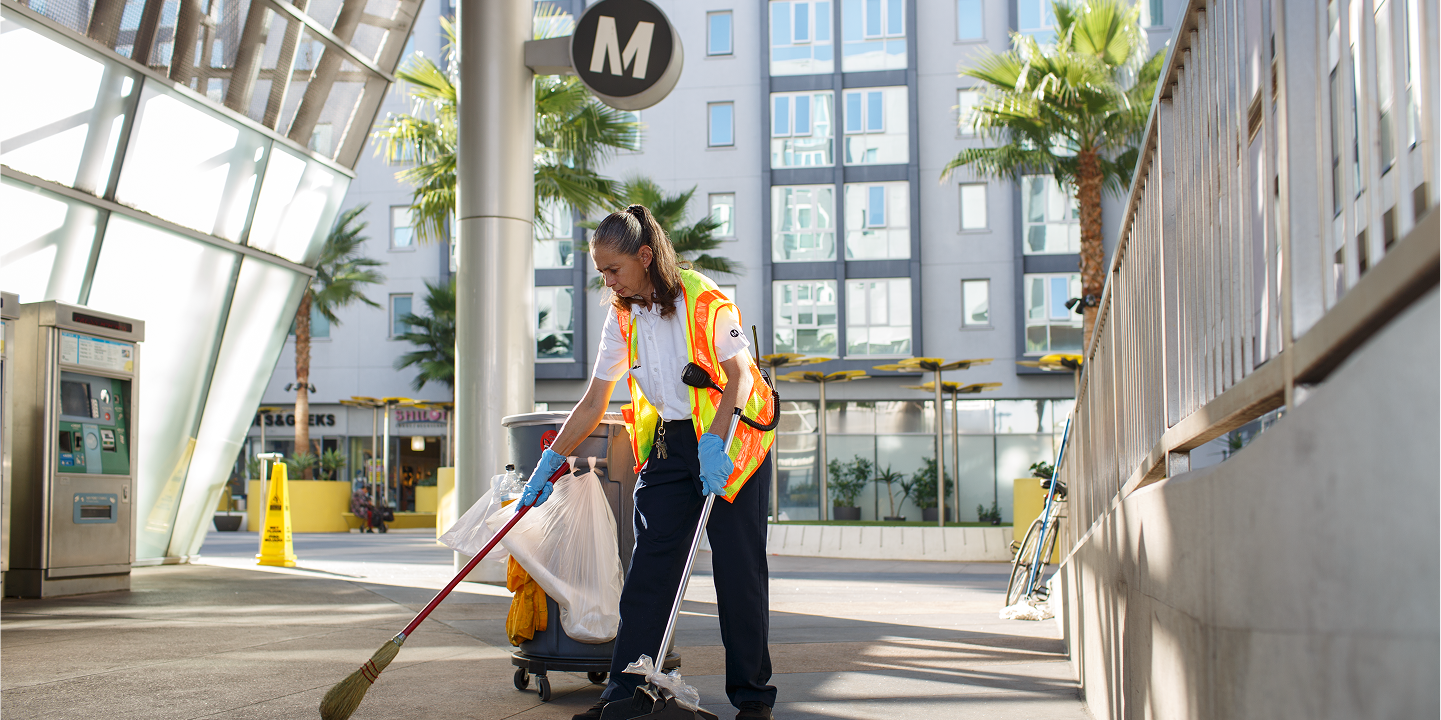
Custodial staff at Metro are silent safety heroes—their constant cleaning and maintenance efforts prevent accidents, reduce crime, and promote a healthier public transit system. Their work directly contributes to a safer, more comfortable experience for millions of passengers every year.
Our custodial staff:
Keep platforms, stairwells and bus stops free from clutter and debris, improving visibility, reducing risks of theft, vandalism and suspicious activity.
Ensure that fire exits, emergency buttons and pathways remain clear and accessible for quick evacuations.
Observe and report suspicious or potentially dangerous behavior.
Prevent fire and electrical hazards by removing flammable waste like newspapers and cardboard.
Keep a clean station, bus or train car, which makes passengers feel safer and deters criminal activity.
TAP Blue Shirts
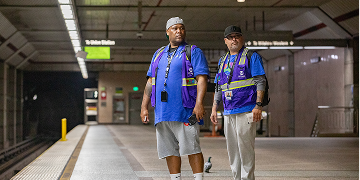
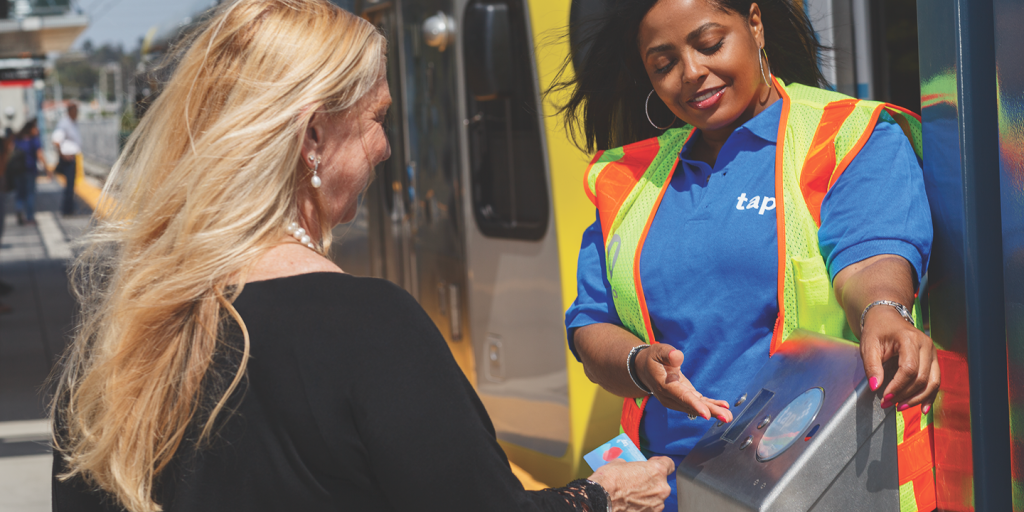
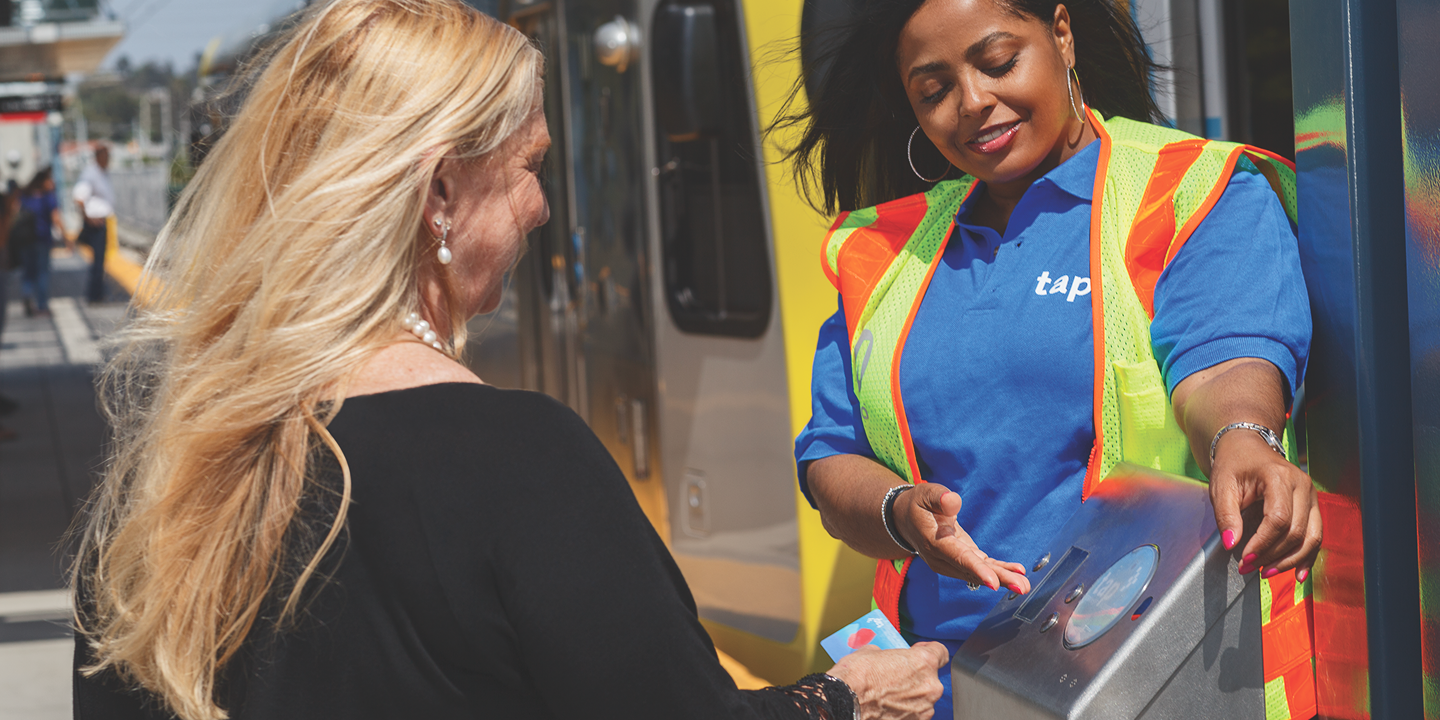
Metro’s TAP team, also known as blue shirts for the bright blue collared shirt they wear, can be found throughout the system to help riders purchase fare.
They can also assist those riders who cannot afford to pay fare by helping them sign up for Metro’s Low-Income Fare is Easy (LIFE) program. Helping to ensure that everyone on the system is using it for its intended purpose of transit helps make the entire system safer.
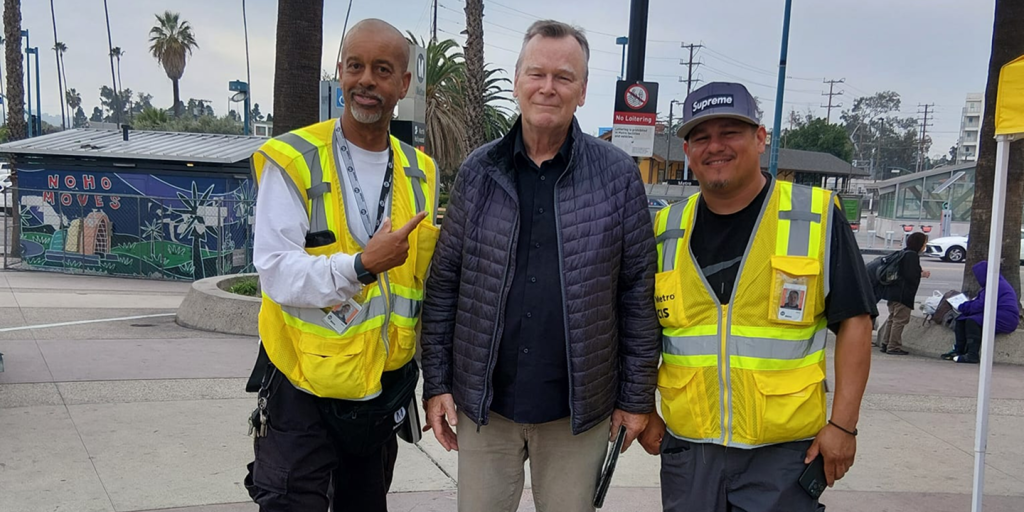
Community Intervention Specialists
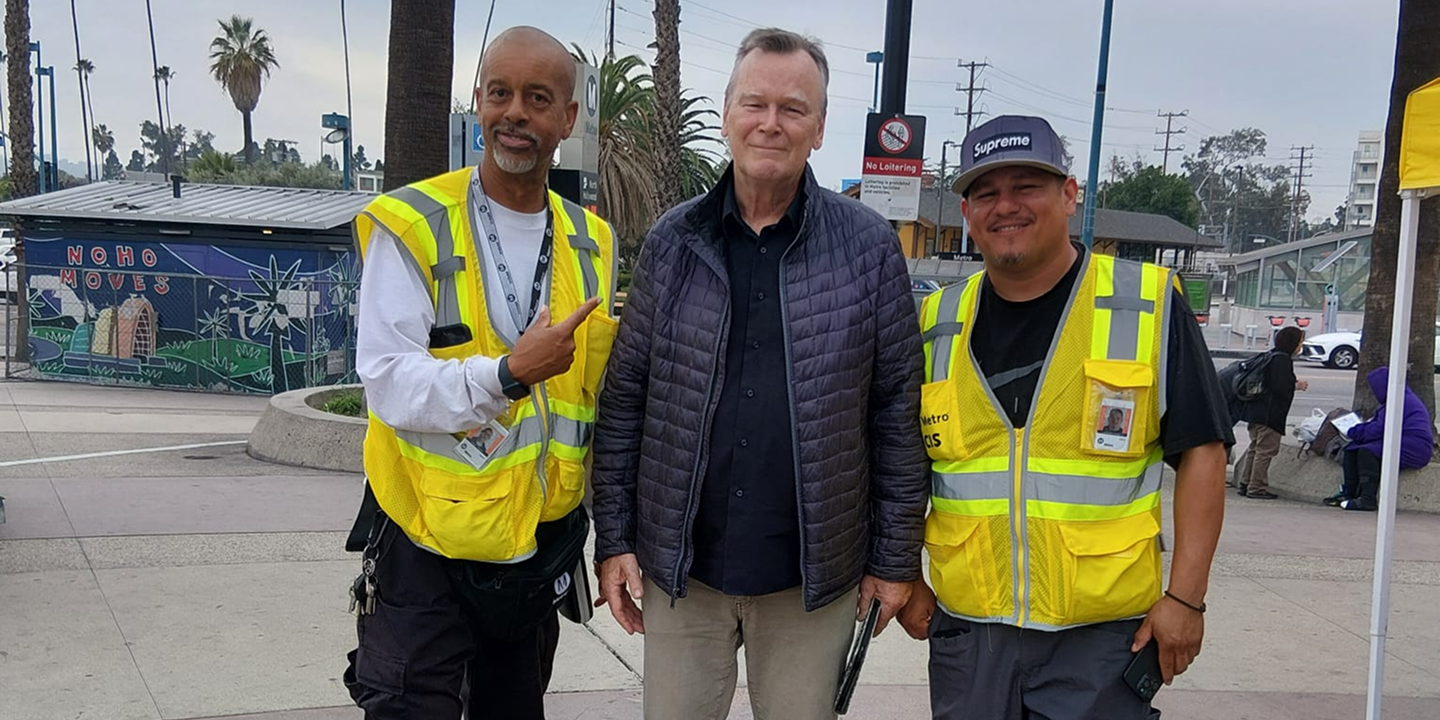
Different from traditional security, Community Intervention Specialists are more focused on preventing and de-escalating incidents.
Metro Community Intervention Specialists:
Are from the neighborhoods where they are stationed and have unique knowledge of those neighborhoods, particularly gang activity.
Offer a community-based security presence that help keep stations safe, while ensuring the community feels safe and comfortable.
Use their relationships with local residents and specialized training in de-escalation techniques to create a safe, incident-free environment.
Department of Public Safety (DPS)
The Metro Department of Public Safety (DPS) is LA Metro’s dedicated unit focused on reimagining public safety across its transit system. This department emphasizes a community-centered and holistic approach to safety, prioritizing equity, compassion, and customer experience.
Key functions of the DPS:
Unarmed crisis response teams assist in mental health crises, substance use, and homelessness.
Oversee the deployment of Metro Transit Ambassadors.
Collaboration with law enforcement to ensure a balanced and secure presence across the system.
Use data and community input to improve safety without over-reliance on traditional policing.