We’re On Track for the LA 2028 Olympic and Paralympic Games
As we approach the 2028 Games, Metro is focused on key transportation projects, programs and experiences that promise to be transformational for the region. We aim to enhance mobility options during the Games and create a lasting legacy of improved transportation for LA’s future.
Read Metro’s Special Event Transportation Industry Playbook.
Connecting Communities
Metro is planning permanent, long-term improvements and benefits to our system—and by extension, to you and your neighborhood. Through a recently awarded $139 million U.S. Department of Transportation Grant – Reconnecting Communities and Neighborhoods (RCN), Metro, in partnership with local jurisdictions, will deliver a bundle of projects that aim to restore community connectivity by investing in high-quality multimodal transportation options to enable affordable, reliable mobility and access to opportunity ahead of the 2028 Games.
Building better transit - faster
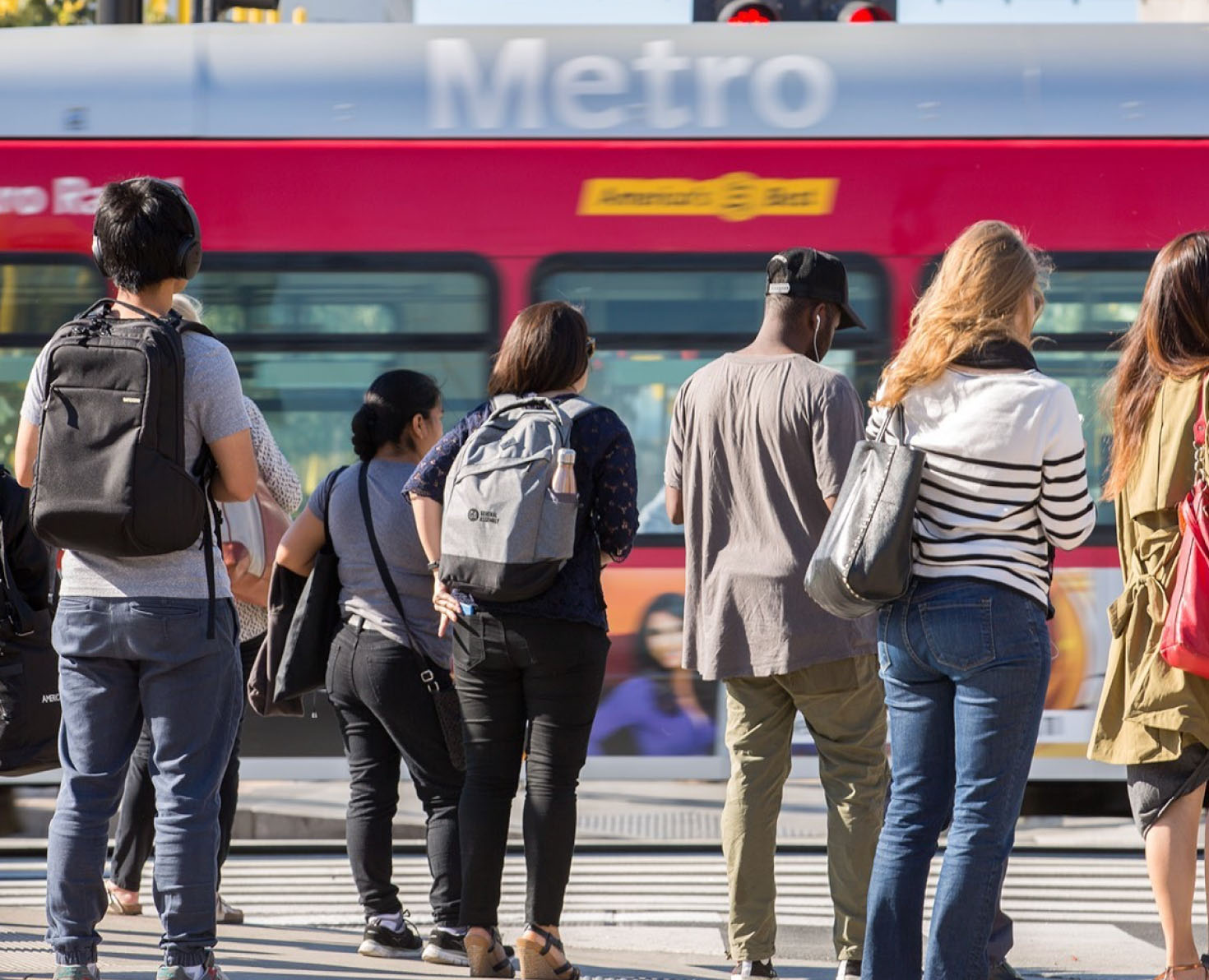
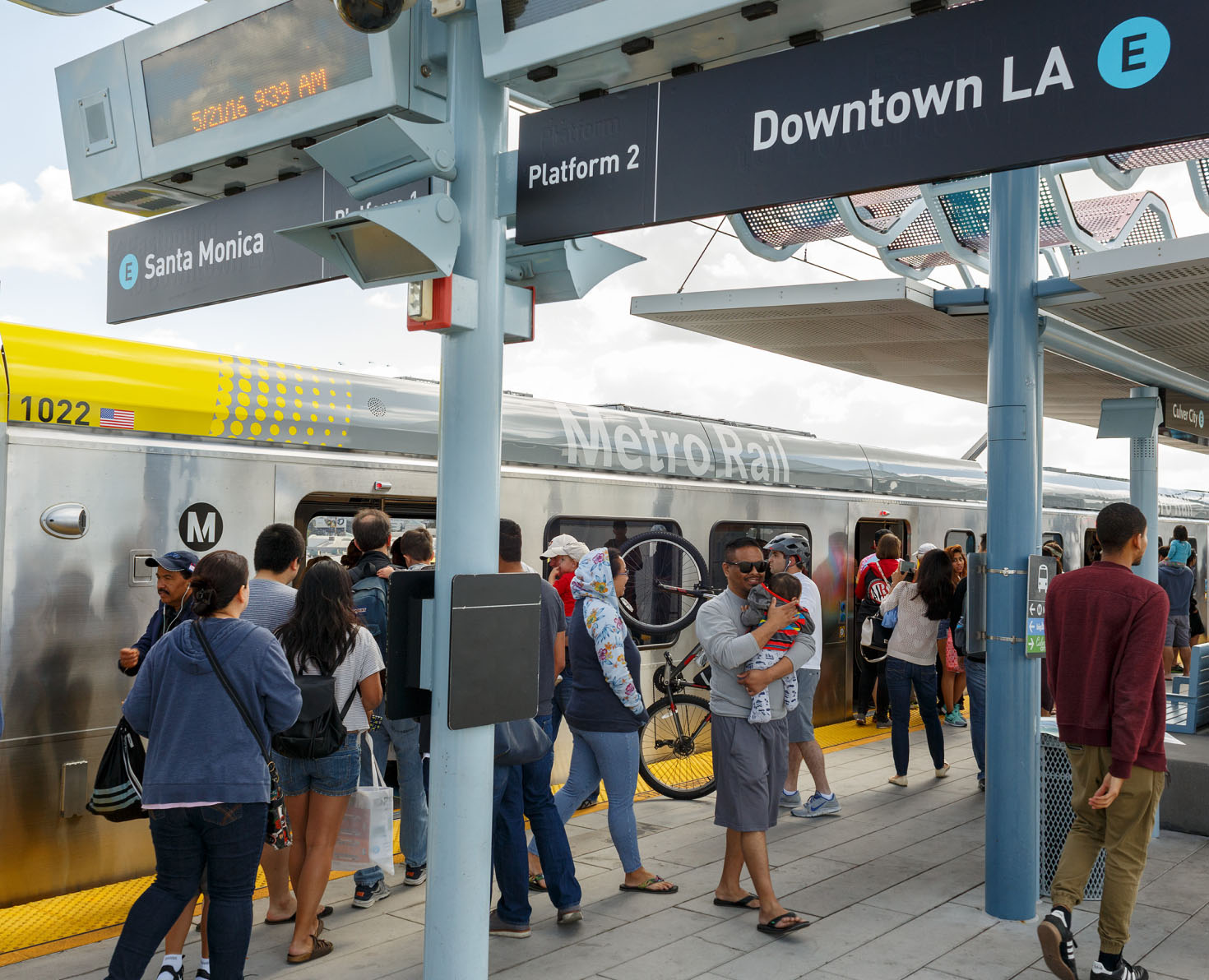
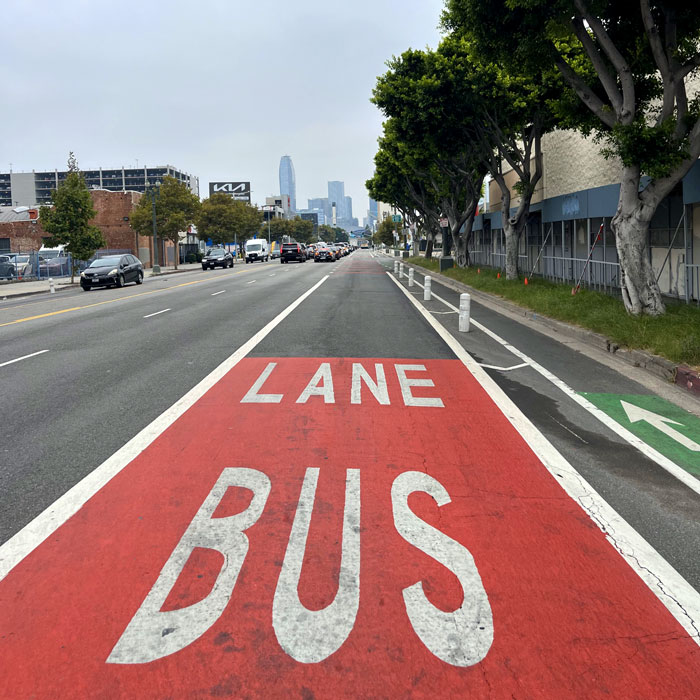
The 2028 Games will help Metro create long‑lasting benefits and more equitable mobility all over the region. Metro, along with local and regional partners, has initiated and is accelerating improvements to enhance the quality of life for all. These improvements include bus-only lanes or bus priority corridors, bicycle lanes, pedestrian amenities, and enhanced amenities at key rail stations (mobility hubs).

Helping LA’s communities thrive
Strong community engagement will be the catalyst for these mobility improvements that provides a permanent legacy for our communities for decades to come. Much like the world‑class athletes who will compete in 2028, we embrace the challenge of the 2028 Games. Now is our time to achieve better mobility and quality of life before, during, and long after the 2028 Games. The 2028 Games will celebrate human achievement in sports, but they will be a celebration of multimodal and equitable mobility for all Angelenos.
Creating more access to opportunity
The inclusion of projects across most of the County’s subregions demonstrates a commitment to improving public transportation networks, providing residents with reliable and efficient options for commuting and facilitating greater access to education centers, job opportunities, and essential services.
Building better transit - faster
The 2028 Games will help Metro create long‑lasting benefits and more equitable mobility all over the region. Metro, along with local and regional partners, has initiated and is accelerating improvements to enhance the quality of life for all. These improvements include bus-only lanes or bus priority corridors, bicycle lanes, pedestrian amenities, and enhanced amenities at key rail stations (mobility hubs).
Helping LA’s communities thrive
Strong community engagement will be the catalyst for these mobility improvements that provides a permanent legacy for our communities for decades to come. Much like the world‑class athletes who will compete in 2028, we embrace the challenge of the 2028 Games. Now is our time to achieve better mobility and quality of life before, during, and long after the 2028 Games. The 2028 Games will celebrate human achievement in sports, but they will be a celebration of multimodal and equitable mobility for all Angelenos.
Creating more access to opportunity
The inclusion of projects across most of the County’s subregions demonstrates a commitment to improving public transportation networks, providing residents with reliable and efficient options for commuting and facilitating greater access to education centers, job opportunities, and essential services.
Building better transit - faster
The 2028 Games will help Metro create long‑lasting benefits and more equitable mobility all over the region. Metro, along with local and regional partners, has initiated and is accelerating improvements to enhance the quality of life for all. These improvements include bus-only lanes or bus priority corridors, bicycle lanes, pedestrian amenities, and enhanced amenities at key rail stations (mobility hubs).
Helping LA’s communities thrive
Strong community engagement will be the catalyst for these mobility improvements that provides a permanent legacy for our communities for decades to come. Much like the world‑class athletes who will compete in 2028, we embrace the challenge of the 2028 Games. Now is our time to achieve better mobility and quality of life before, during, and long after the 2028 Games. The 2028 Games will celebrate human achievement in sports, but they will be a celebration of multimodal and equitable mobility for all Angelenos.
Creating more access to opportunity
The inclusion of projects across most of the County’s subregions demonstrates a commitment to improving public transportation networks, providing residents with reliable and efficient options for commuting and facilitating greater access to education centers, job opportunities, and essential services.
Climate Justice
Metro will deliver the cleanest Games for transportation in U.S. history
When LA hosted the Summer Olympics in 1984, our region had no rail transit lines, commuter rail lines, or bus-only lanes. We now have a robust rail and bus transit network, including almost 50 miles of bus-only lanes. With our currently planned expansions to our network, we will have high-quality transit serving most of the major Games venues. In 2028, we anticipate significantly more Angelenos will choose public transit, walking, or rolling because it is easier and faster. We will have also made a significant expansion of our zero‑emissions fleet. Los Angeles will be a leading example of how to encourage long‑lasting mode shift to sustainable travel modes. With bus-only lanes, transit priority and micromobility options, public transit will be more time‑competitive than driving a passenger car on a wider range of trips.
Shifting away from passenger cars is our chance to reduce greenhouse gas emissions, improve air quality, and improve health—especially in Equity Focused Communities. This is our chance to reverse generations of inequitable development.
Los Angeles will be greener and have an enhanced quality of life through permanent mode shift and mitigating the impacts of climate change.
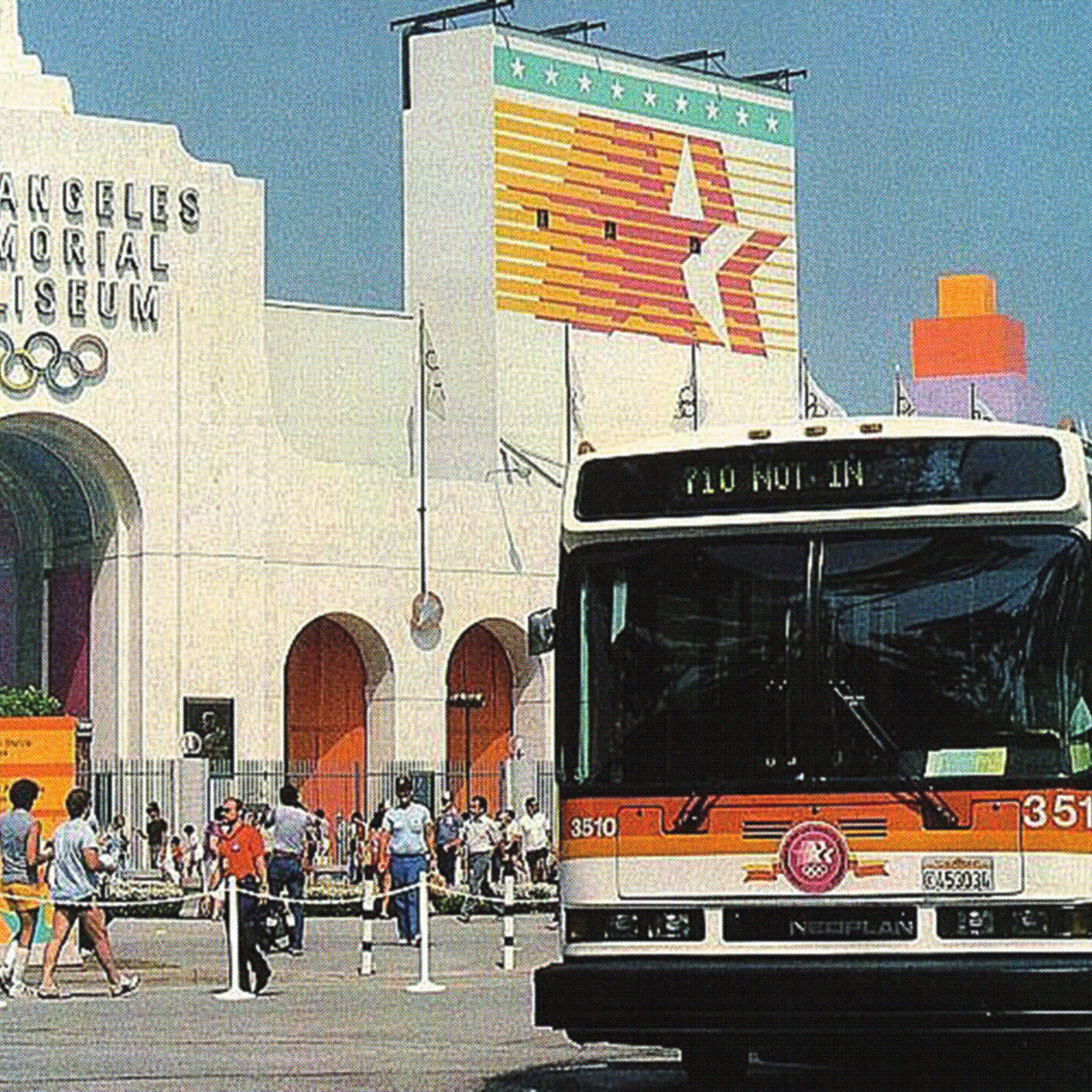
Through the use of great marketing, great express bus service, creative event scheduling and the carpool lane network, Metro’s ridership reached unprecedented levels during the 1984 Olympics.
Mobility Concept Plan: A Lasting Legacy
Metro is going to meet the mobility demands of the 2028 Games while enhancing, growing and refining our transportation systems in the region. Our main goal for 2028 is to enable all ticketed spectators to travel to competition venues by public transit, walking or cycling. Over the long term, we seek to improve access, and create a core system that is faster, more reliable, safer and more connected. The Mobility Concept Plan shows you how we plan to make that happen. We are focusing on providing legacy and permanent benefits after the 2028 Games to encourage shift to sustainable transportation modes, improve safety, increase accessibility and improve customer experience.
Games Operational: Games Route Network
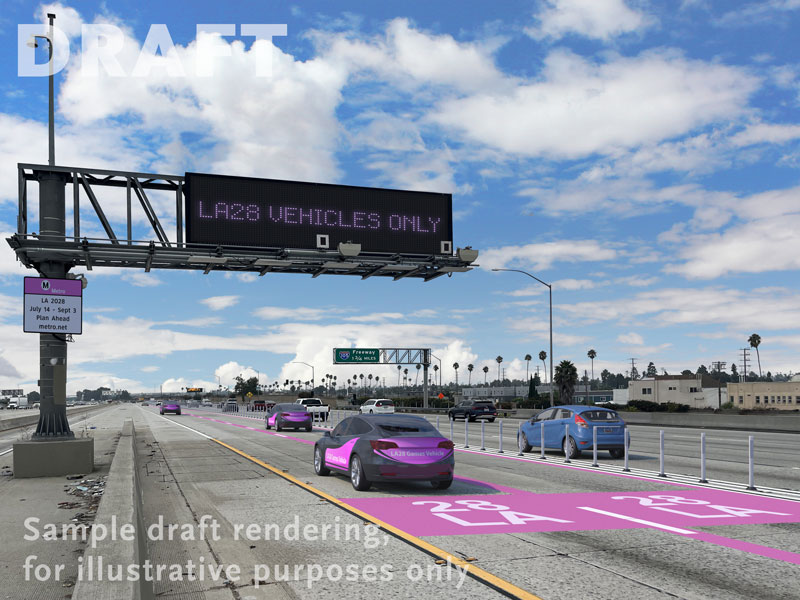
A Games Route Network (GRN) is a network of roads that are designated for the use of Games vehicles traveling between official accommodation venues, competition venues, and other key noncompetition venues.
Caltrans is committed to implementing a GRN to provide a safe, secure and efficient transportation network throughout the region during the 2028 Games. Dedicated lanes will be created for Games vehicles to travel between venues to be used by Games athletes, the media, officials, IOC members, spectators, workforce, and public transit. The GRN will enable the Games Family to move safely, quickly, and reliably between competition and non-competition venues within committed average travel times.
Moving Spectators & Workforce: Games Enhanced Transit System
A Games Enhanced Transit System (GETS) is a temporary supplementary transit system created to augment the existing public transit system to ensure spectators and the workforce have efficient and reliable transit for travel to and from venues during the 2028 Olympic and Paralympic Games.
With an estimated one million extra trips per day during the Games, Metro is working with partners to expand the transit network to meet the unprecedented demand that will be placed on it. Metro is committed to making transportation for the Games as safe, efficient, inclusive and sustainable as possible, while also keeping our city and region moving for residents, businesses and freight throughout the Games. The GETS consists of:
- Bus vehicles or shuttles that are permanently or temporarily procured or borrowed from other transit agencies in California and beyond
- Bus malls at venue and park and ride mobility hubs to serve spectators and workforce
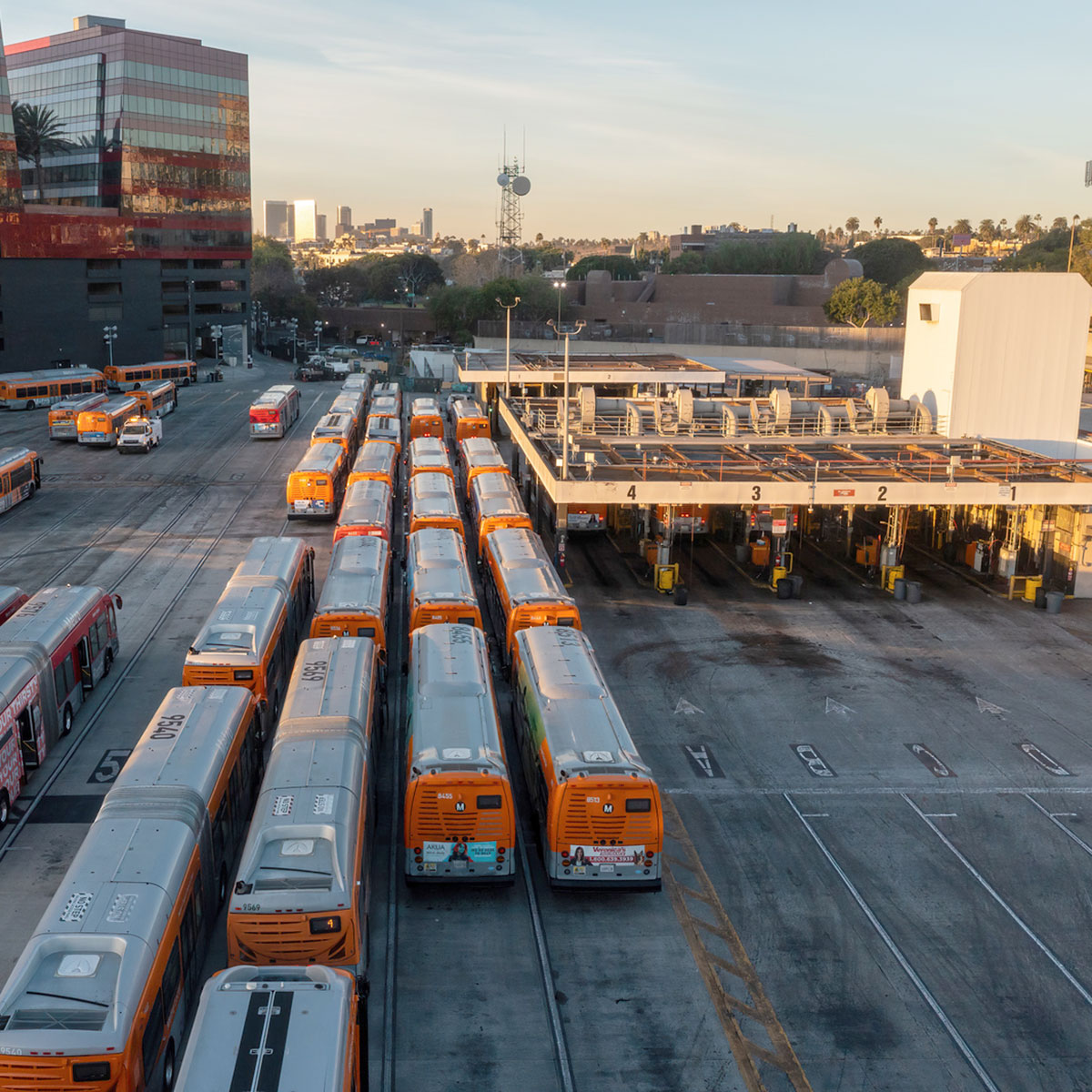
- Bus depots to maintain, clean, fuel/charge and support the operation of the SBS
- Operations team that includes drivers, mechanics, supervisors, schedulers, etc.
The GETS will link rail/busway stations and temporary park and ride sites to venues for both the Olympic Games and the Paralympic Games. Accessible buses will be used to ensure everyone can get to the venues and enjoy the Games equally.
Metro is committed to a zero or near zero emissions transportation system. The GETS is expected to be comprised of Zero Emissions Buses (ZEB) and Compressed Natural Gas buses (CNG) from Metro’s fleet and partner agencies. As the lead mobility service provider for the Games spectators and workforce, Metro will be the lead agency responsible for coordination, planning and operation of the GETS.
28 Projects by 2028
In anticipation of hosting the 2028 Games, the Metro Board approved a list of 28 projects, totaling $20 billion and targeted for delivery by 2028. Project Status: 32% Completed; 25% Under Construction; 25% In Planning; and 18% In Design.
The Twenty-Eight by ’28 Initiative provides a clear vision of Metro’s priorities. Selected projects address regional needs, with a focus on transit solutions that would provide additional connectivity to major sports venues. The list of projects included some already slated for completion by 2028 and several complex mega projects that would require unprecedented acceleration. These projects represent a strategic and forward-thinking approach to ensure the success of the Games while concurrently fostering long-term benefits for the diverse communities of Los Angeles County. Other potential anticipated equity benefits include a reduction in single occupancy vehicle reliance, improved air quality and reduced household transportation costs. In March 2024, the Metro Board revised the project list by replacing projects that are not able to meet the 2028 Games timeline with projects/programs that align with Metro’s 2028 Mobility Concept Plan (MCP), and either have been completed since the initiative began or can be completed before the 2028 Games. Investments on this list are distributed countywide, demonstrating proactive regional coordination.
Partnership and Collaboration